Why Energy Balance is More Complex Than Simple Math
Published February 2026 | Educational Content
The Oversimplified Model
Popular discourse often presents energy balance as straightforward arithmetic: calories in minus calories out equals energy change. This model treats the human body as a passive container where energy is simply added or subtracted. In reality, the body is a dynamic regulatory system that actively resists deviation from its established patterns.
Regulated Energy Systems
The body maintains energy balance through interconnected regulatory mechanisms. These systems include:
- Appetite hormones (ghrelin, leptin, peptide YY) that signal hunger and satiety
- Insulin signaling that affects nutrient partitioning and energy use
- Sympathetic nervous system activation that influences metabolic rate
- Feedback loops that coordinate energy intake, storage, and expenditure
- Basal metabolic rate adjustments in response to energy availability
Individual Variation
Genetic factors create substantial variation in how these regulatory systems operate. Some individuals have more sensitive appetite regulation. Others show greater metabolic adaptation to energy restriction. This biological diversity means that identical energy intakes produce different outcomes across different people.
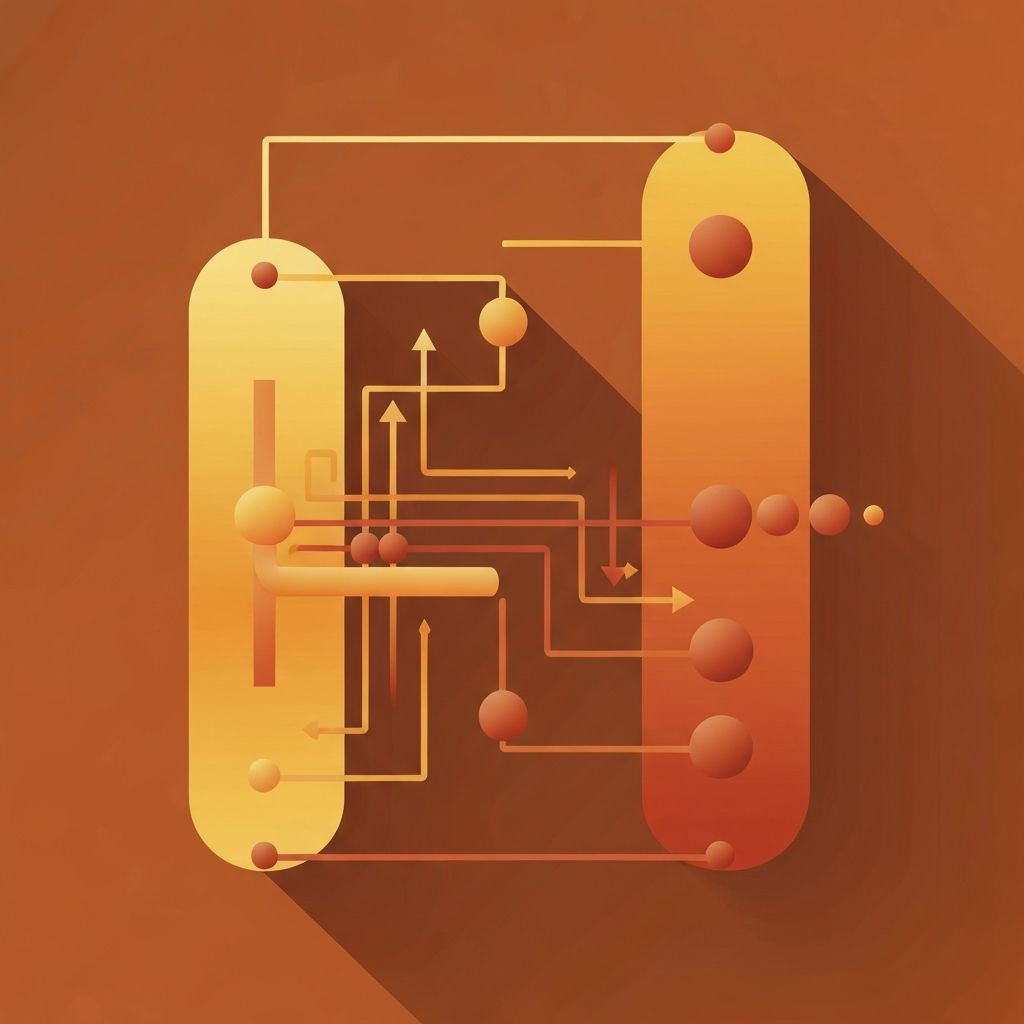
Beyond Simple Equations
True energy balance includes factors that the simple arithmetic model ignores:
- Adaptive Thermogenesis: The body adjusts metabolic rate based on energy availability, not remaining constant across conditions.
- Non-Exercise Activity Thermogenesis (NEAT): Daily movement patterns vary in response to energy restriction and availability.
- Thermic Effect of Food: The energy cost of digestion varies based on macronutrient composition and other factors.
- Metabolic Efficiency: The body becomes more energy-efficient when energy is restricted, requiring less fuel for the same output.
- Behavioral Compensation: Conscious and unconscious changes in activity and food selection occur in response to perceived energy shortage.
- Environmental Factors: Temperature, stress, sleep, and social context all influence energy regulation.
What Research Shows
Studies of sustained energy restriction reveal consistent patterns. When energy intake is reduced below requirements, metabolic rate decreases more than predicted by the energy deficit. Activity levels often decrease. Hunger intensifies. These responses work to minimize the body's actual energy deficit below what was mathematically predicted.
This is not individual weakness or lack of compliance. It's automatic physiological response—the body's regulatory systems working to maintain stability.
Implications for Real Life
Understanding energy balance as a regulated system rather than simple arithmetic explains why sustained energy deficits are biologically difficult. It explains why metabolic adaptation occurs. It explains why individual outcomes vary widely.
This complexity doesn't mean energy balance is irrelevant. It means that approaching energy balance as a biological process—one involving regulation, adaptation, and individual variation—provides a more accurate model than mathematical oversimplification.
Important Note
This article presents educational information about biological systems. It is not medical advice, not dietary guidance, and not a substitute for consultation with appropriate professionals regarding your individual circumstances.